Ivy Gourd
Coccinia grandis
Coccinia grandis, known as Ivy Gourd or Tindora, is a tropical, perennial vine from the cucumber family (Cucurbitaceae) valued as a nutritious vegetable and traditional medicine, especially for diabetes, with edible green fruits and leaves that can be cooked, eaten raw, or pickled, though it's considered invasive in some regions. This vigorous climber produces small, cucumber-like gourds that turn red when ripe, offering sweet-tart flavors and health benefits like antioxidants and vitamins.
Key Characteristics
Growth: Vigorous, tuberous vine that climbs with tendrils, reaching up to 20 meters.
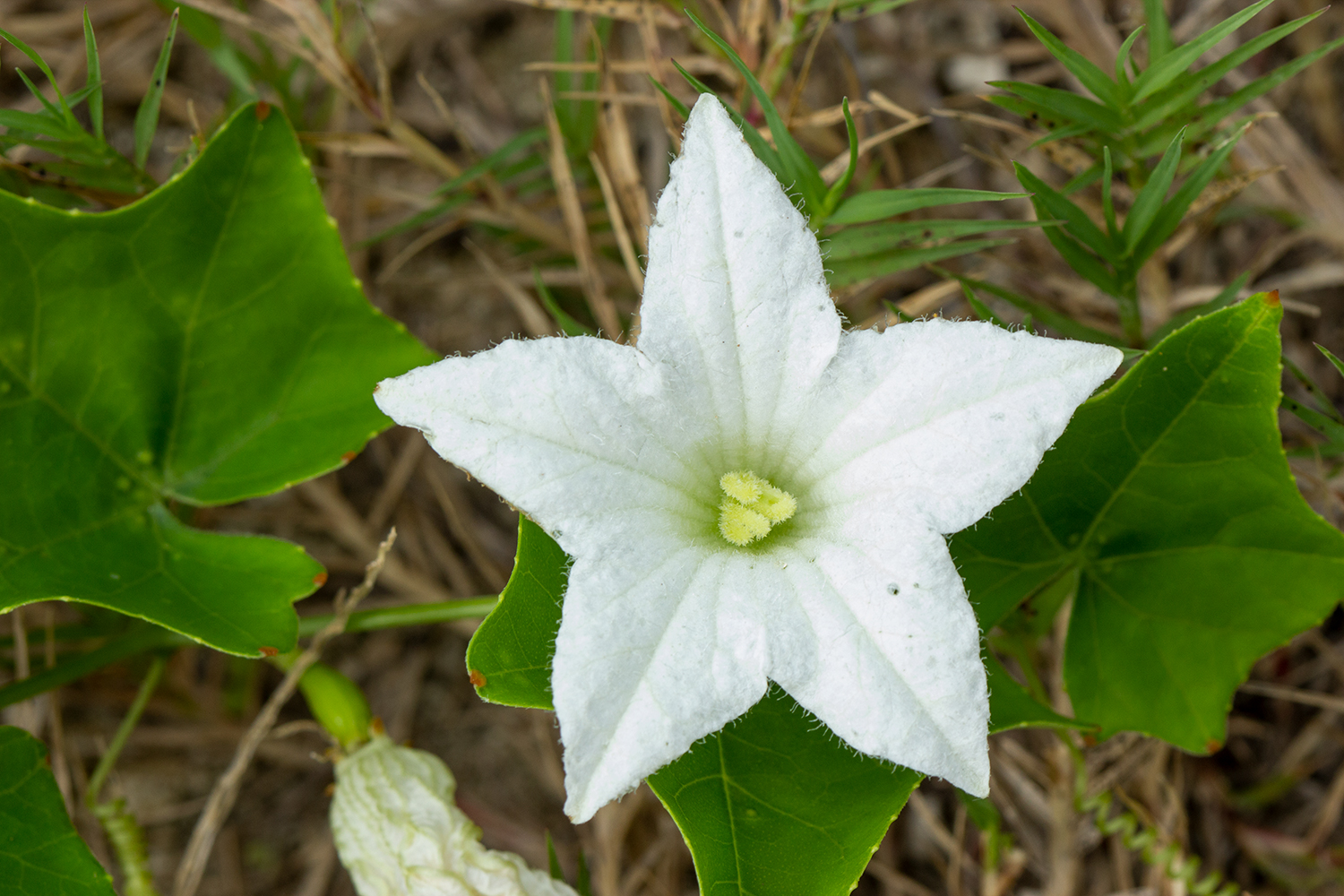
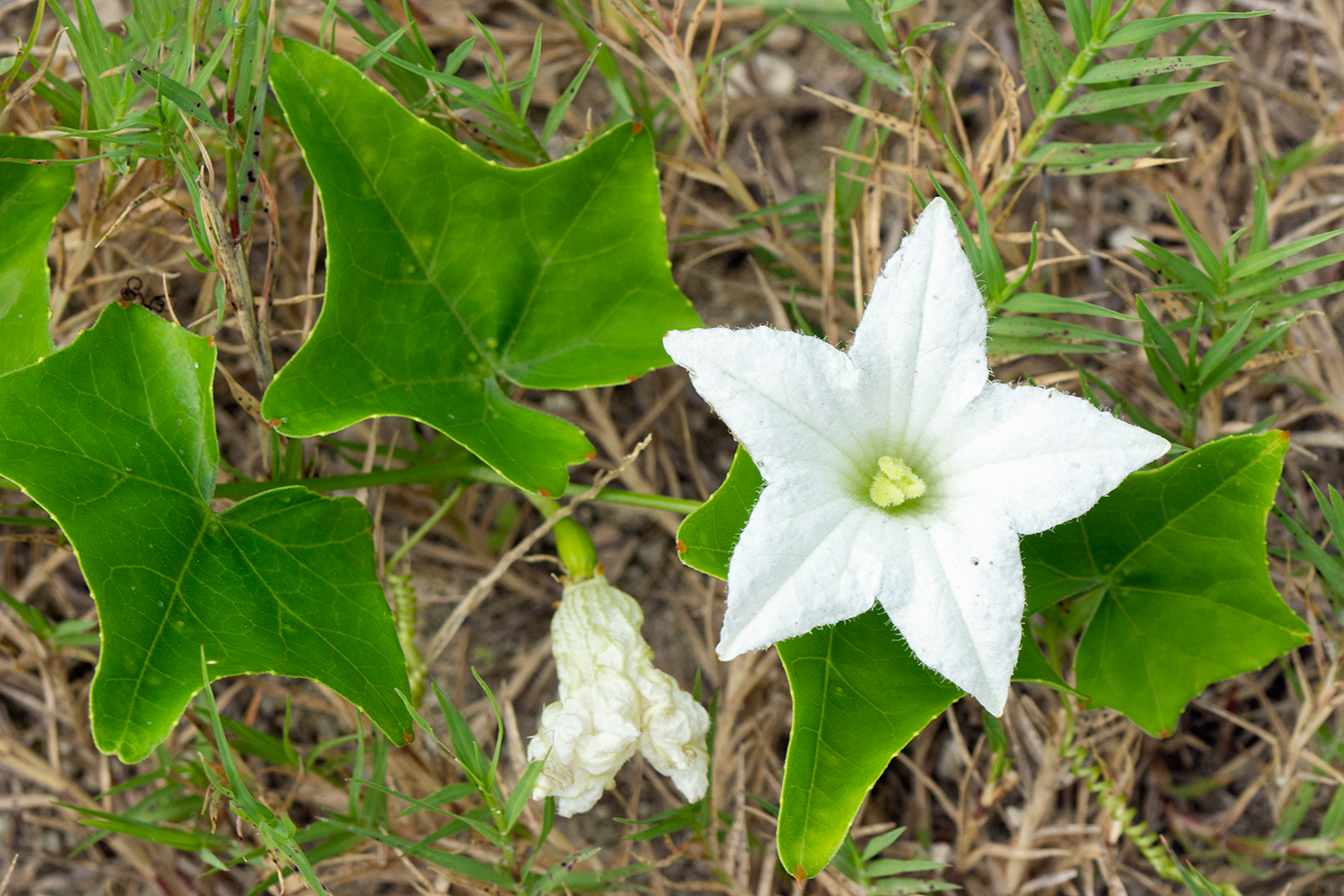
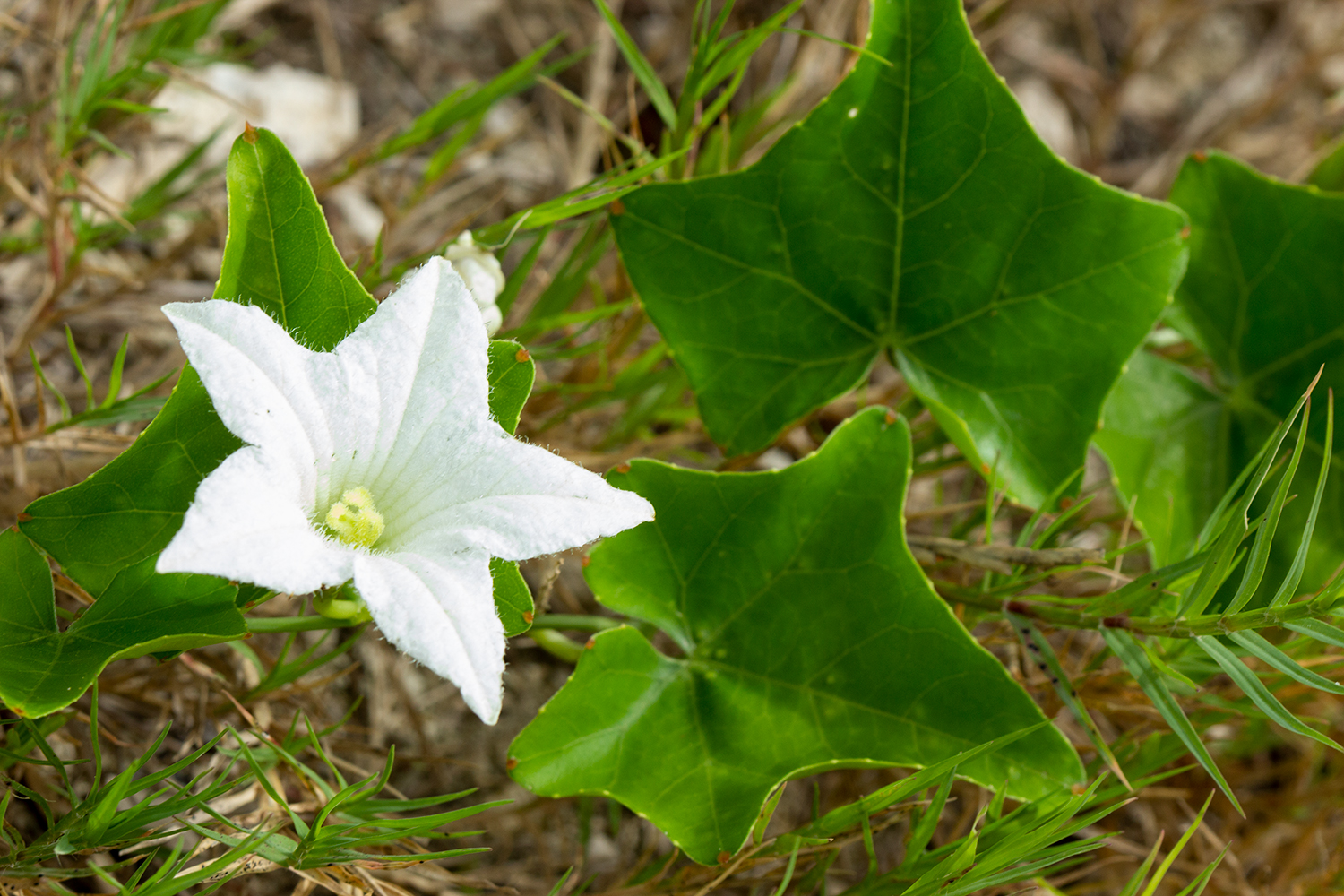
Foliage: Heart-shaped, lobed leaves.
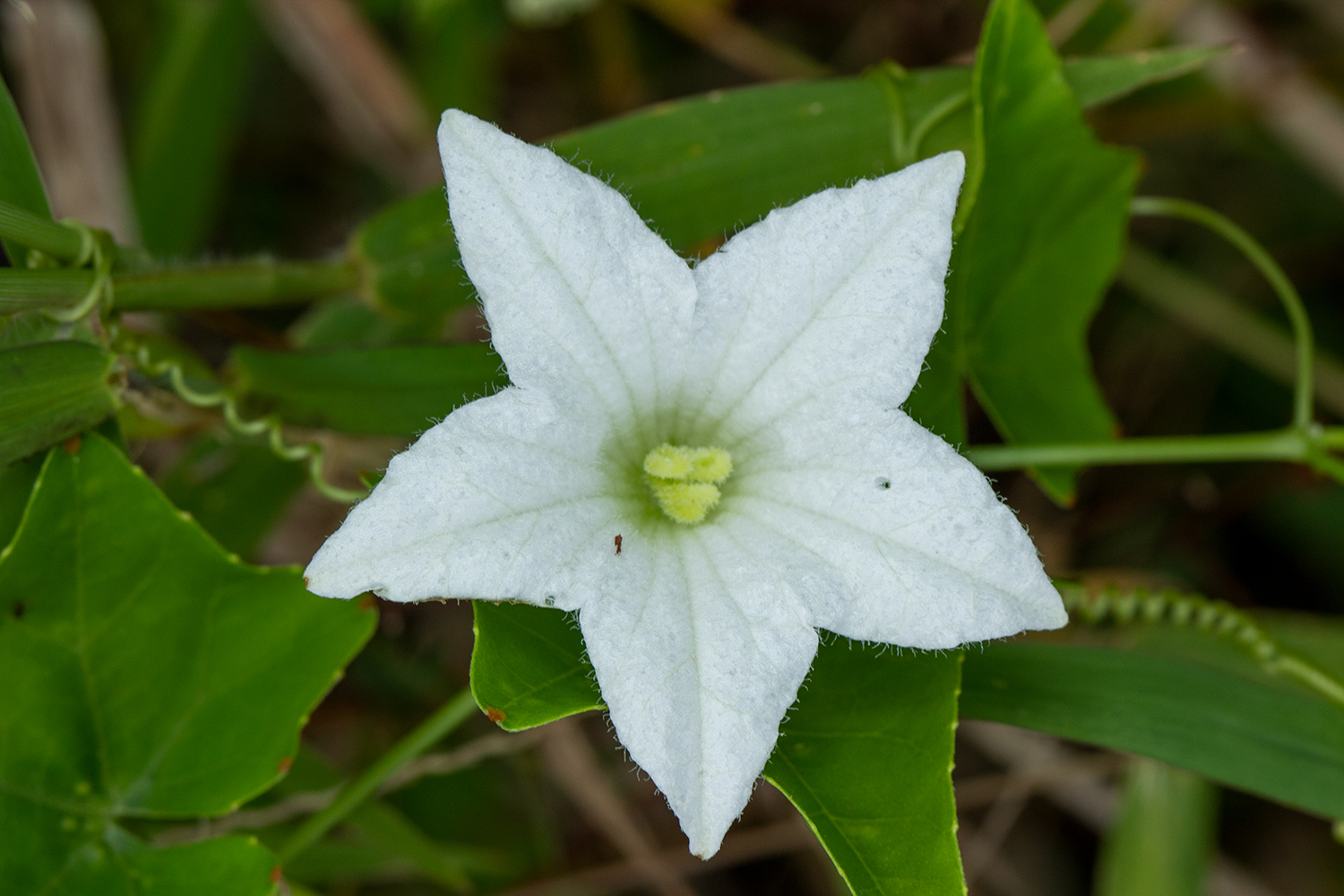
Flowers: Small, white, five-petaled flowers.
Fruit: Small (2-3 inch), smooth, green with white stripes when immature, turning red and soft when ripe; seeds inside.
Varieties: Both bitter (more common) and sweet varieties exist.
Culinary Uses
Young Gourds/Leaves: Eaten raw in salads, pickled, or cooked in curries, soups (like Thai kaeng jued tum lueng), and stir-fries.
Ripe Fruit: Eaten raw, candied, or made into jams and sauces.
Medicinal Properties (Traditional & Studied)
Diabetes Management: Widely used in traditional systems to help control blood sugar.
Rich in Nutrients: Contains vitamins, minerals, and antioxidants like beta-carotene.
Other Uses: Traditionally used for anemia, circulation, and as an anti-inflammatory.



Sorry, your account does not have access to post comments.