Cat's Tongue
Priva lappulacea
Priva lappulacea, commonly known as Cats-tongue, Bur Vervain, or Velvet-bur, is a rough-textured weedy herb from the Verbena family (Verbenaceae) that grows widely across the tropical and subtropical Americas. It is most often found in disturbed places—old fields, roadsides, yards, and open pinelands—where it spreads quickly thanks to its sticky, bur-like fruits that cling to clothing, fur, and anything that brushes past.
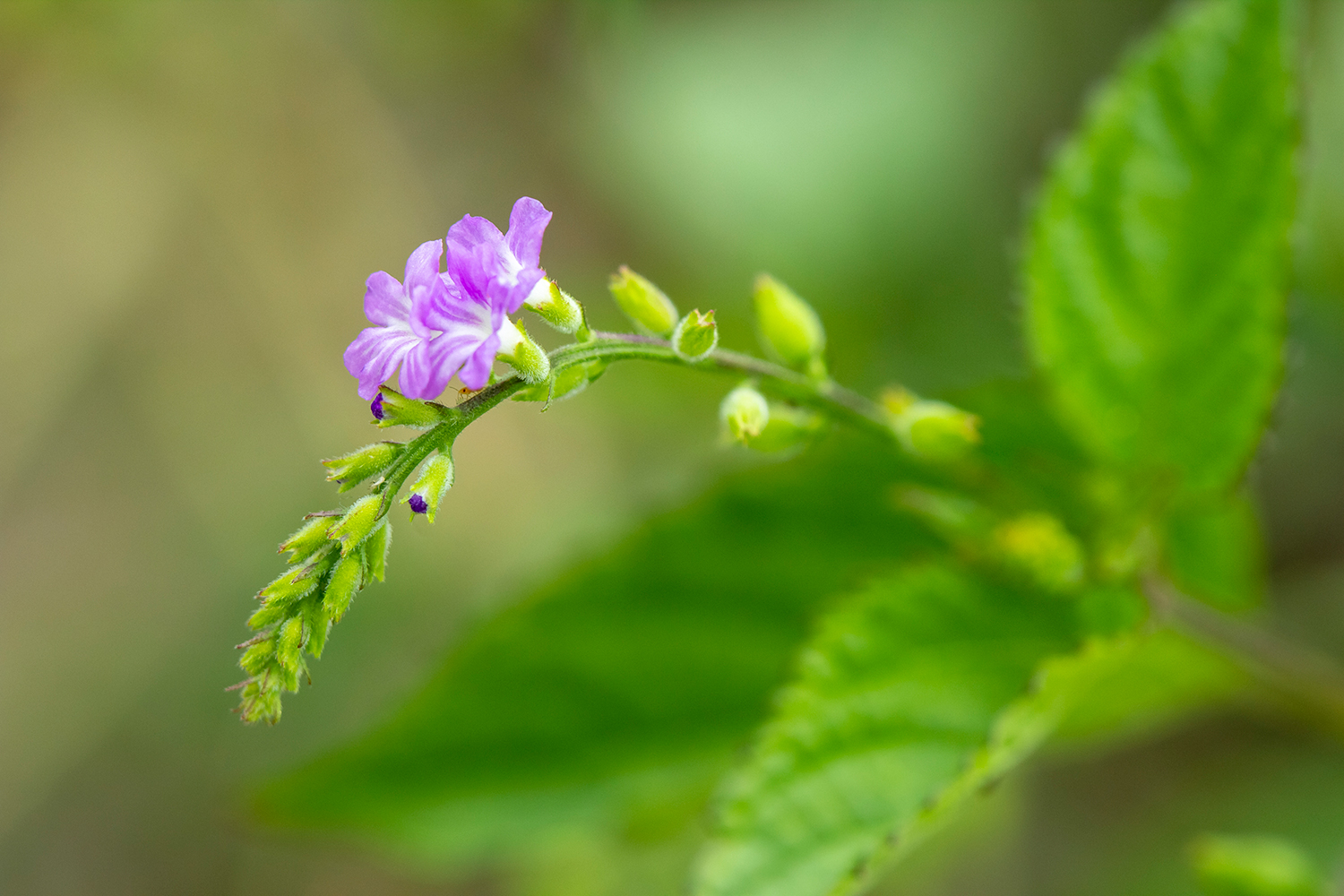
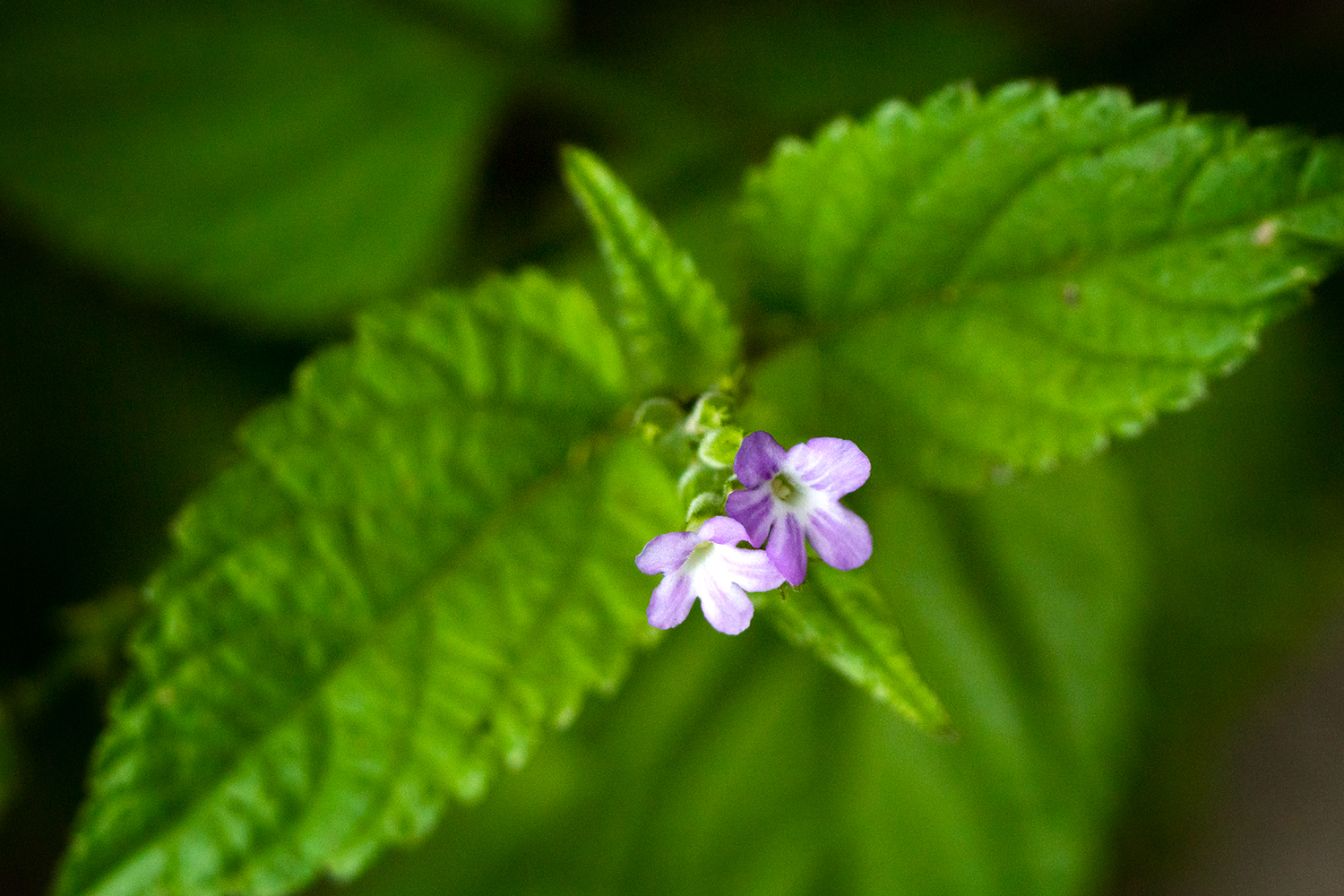
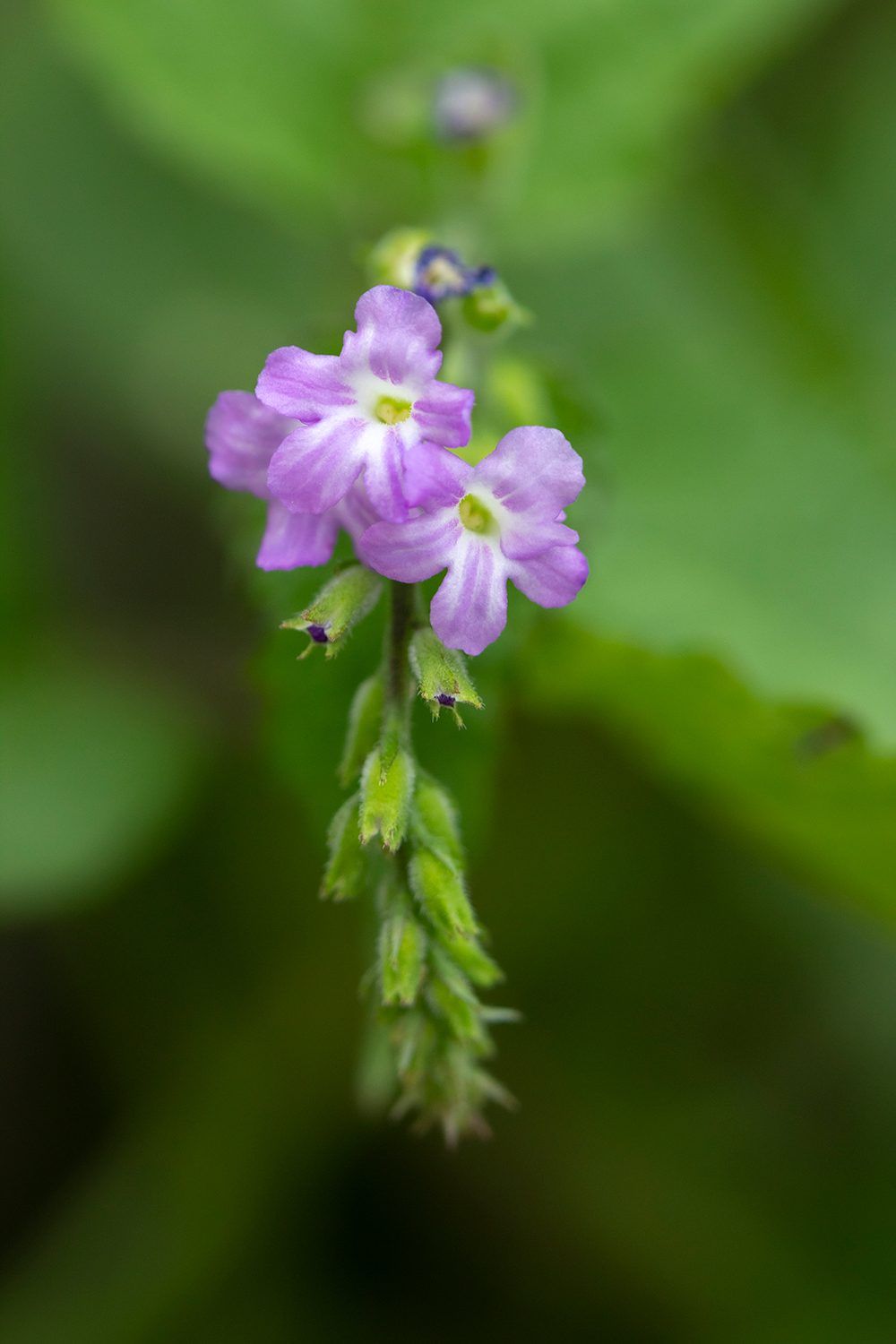
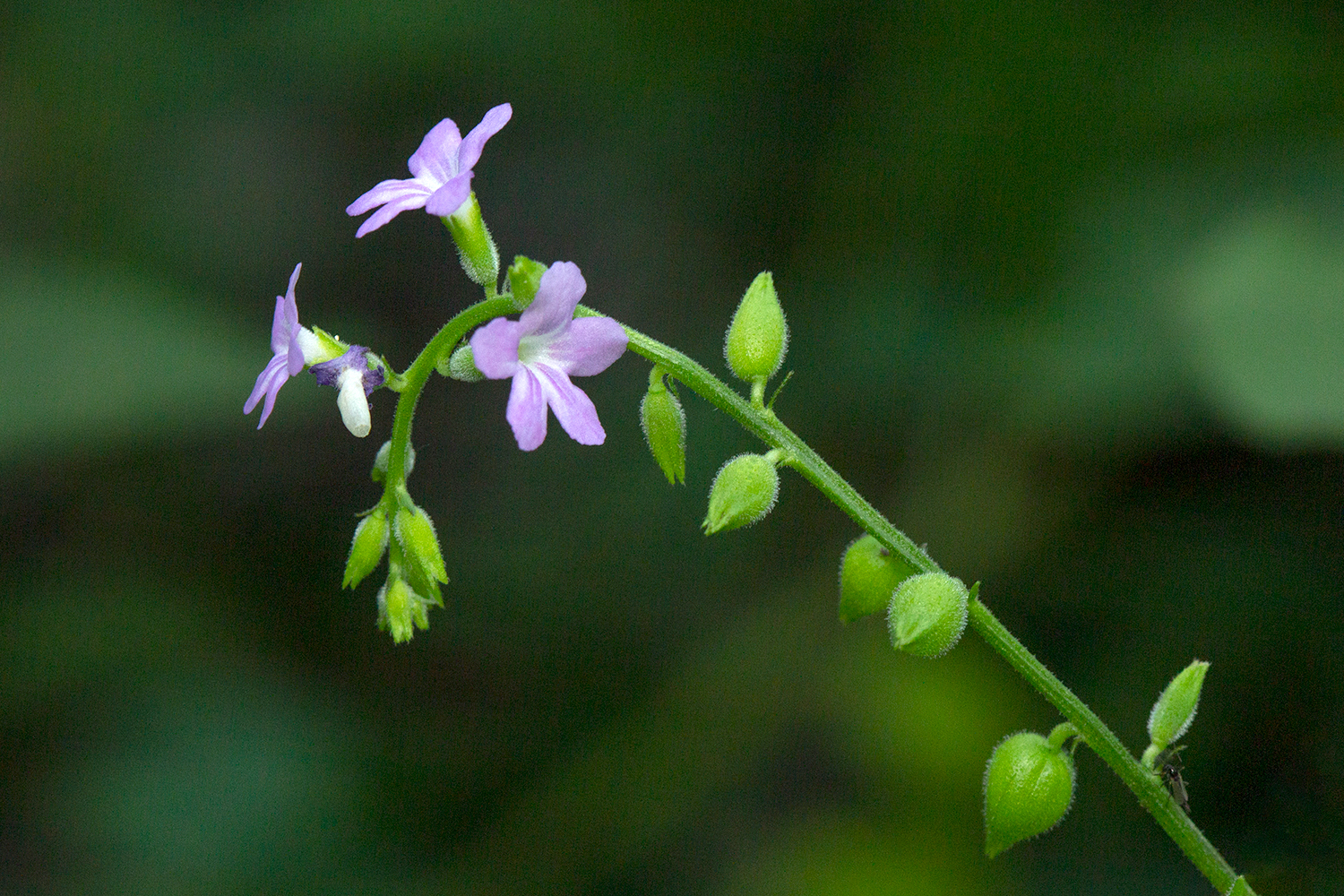
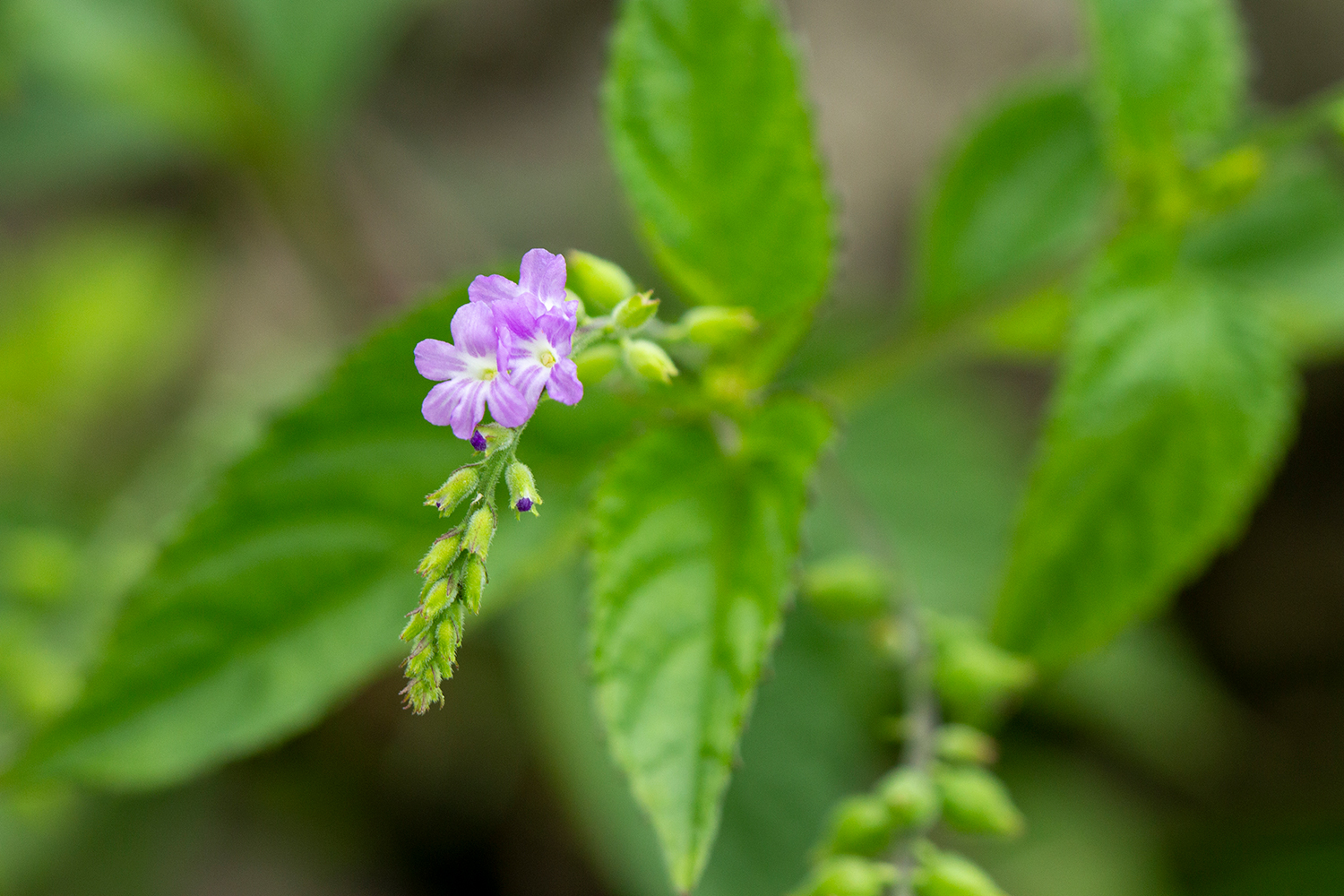
This plant can grow upright or sprawl along the ground, usually reaching around 75 cm tall. Its square stems hold opposite, coarse, ovate leaves with serrated edges, covered in tiny hairs that give them a sandpapery feel—likely the reason for the name cats-tongue. The flowers are small and delicate, appearing in slender spikes at the ends of the stems, and may be white, pink, or purple with fine purple stripes.
The fruit is one of the most distinctive features of Priva lappulacea: small, inflated capsules lined with hooked hairs that easily latch onto animals or clothing, allowing the plant to spread efficiently. Because of this, the species is considered an aggressive weed in many regions and can be ecologically troublesome where it becomes invasive.
Despite its reputation as a nuisance, the plant does have traditional uses. In parts of Mexico, it has been brewed as a tea—often mixed with other herbs—to ease hip pain and other ailments. It also contains natural antioxidants, which may offer additional health benefits.
Overall, Priva lappulacea is a widespread, sticky, fast-spreading plant that thrives in disturbed areas, sometimes causing problems, yet still valued in certain cultures for its traditional medicinal properties.



Sorry, your account does not have access to post comments.