Tridax Daisy
Tridax procumbens
Tridax procumbens, commonly called Coatbuttons or Tridax Daisy, is a familiar weed across the tropics and subtropics, easily recognised by its small, daisy-like flowers and fast-spreading habit. Native to the tropical Americas, including Mexico, it has become naturalised throughout warm regions worldwide, often appearing in fields, roadsides, gardens, and any disturbed or open ground.
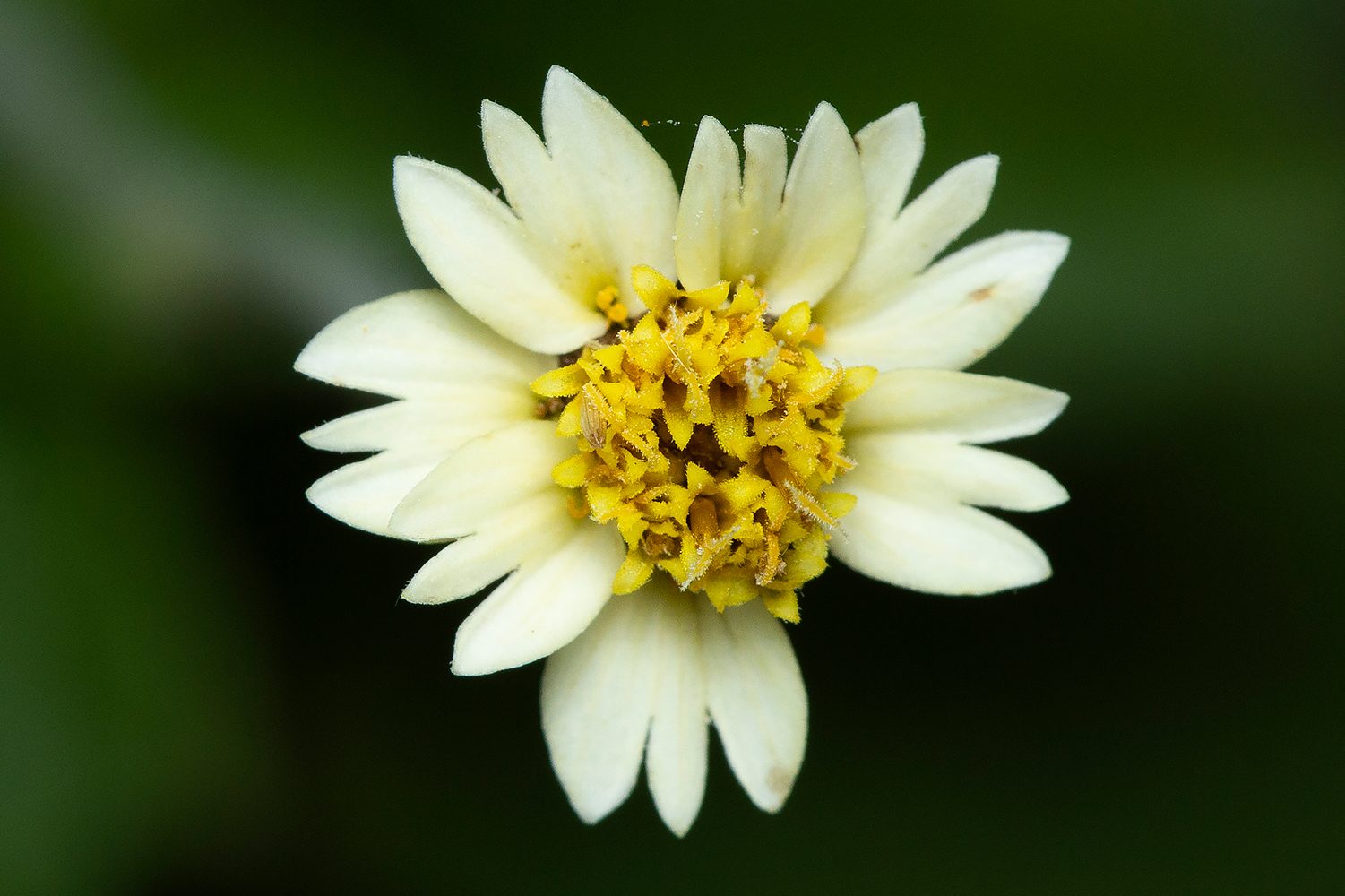
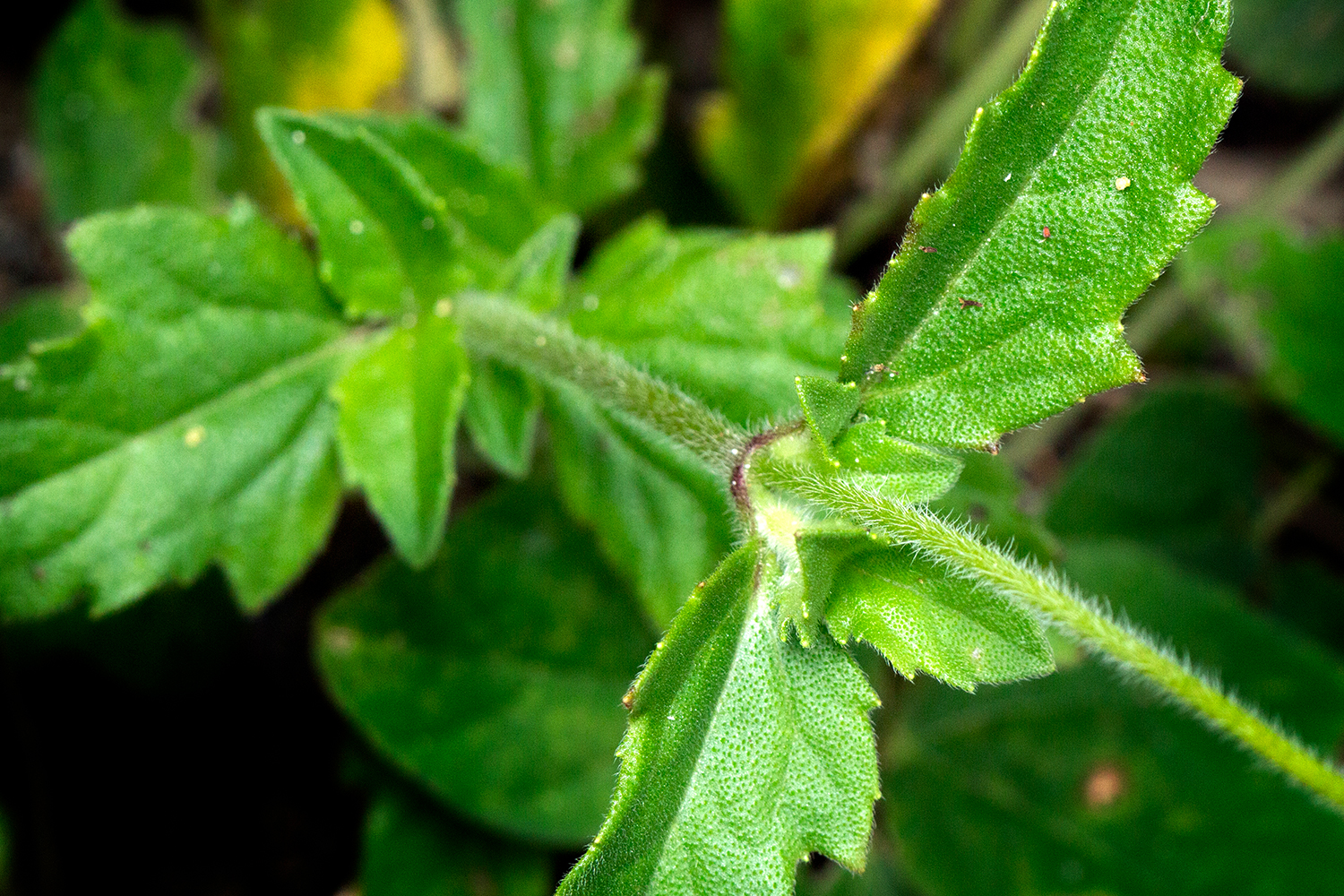
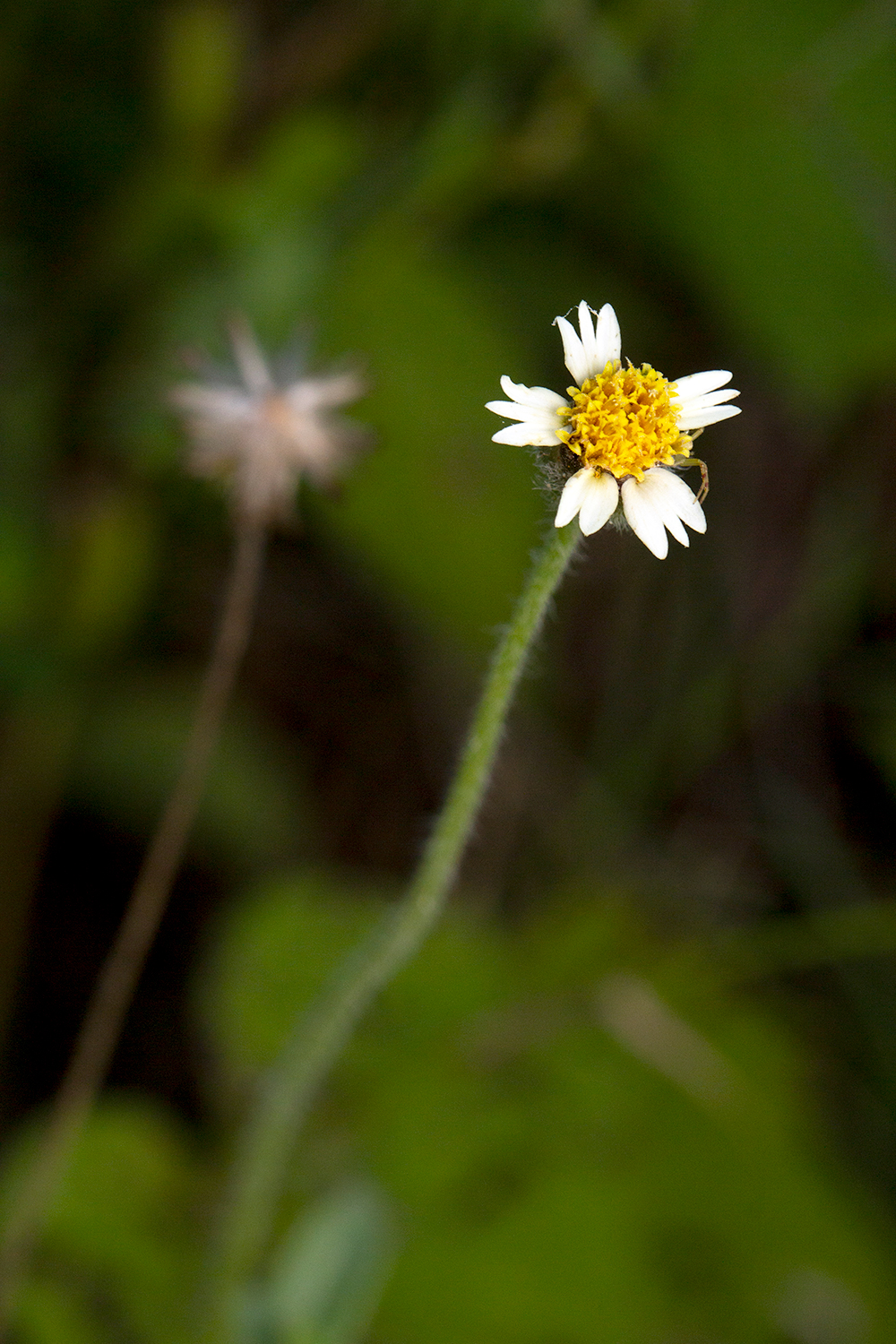
This low-growing plant produces slender stems that creep or sprawl along the ground, with toothed, arrow-shaped leaves. At the tips of its stems, it forms small flowers with bright yellow centres surrounded by white or pale yellow “three-toothed” petals. After flowering, the plant produces a hard, hairy fruit called an achene, topped with a feathery white pappus. These lightweight seeds are easily carried by the wind, and a single plant can release more than a thousand of them—one of the reasons Coatbuttons spreads so quickly.
Although often considered a nuisance weed, Tridax procumbens has a long history of traditional use in parts of India. Local healers have used it for treating cuts, blisters, and wounds, and animal studies suggest it may have anti-inflammatory and pain-relieving properties. It has also been used as an antifungal and insect-repelling herb in folk medicine. Despite its humble size, this plant plays an interesting role in both natural landscapes and traditional healing practices across the tropics.
Order: Asterales
Family: Asteraceae
Genus: Tridax
Species: T. procumbens
Binomial name: Tridax procumbens



Sorry, your account does not have access to post comments.